
Warmth matters: tackling fuel poverty together in Cambridgeshire
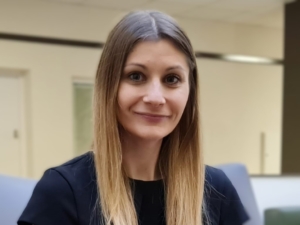
Caitlin Evans, Cambridgeshire ACRE’s new Rural Health and Wellbeing Manager
Here in rural Cambridgeshire, I’ve seen firsthand how chilly evenings carry more than a bite of cold air – they bring real worries about keeping warm. I’m Caitlin Evans, the newly appointed Rural Health and Wellbeing Manager at Cambridgeshire ACRE. Though I only joined in early November, I’ve already felt the warmth of the communities I serve. As National Fuel Poverty Awareness Day on 26 November approaches, I want to share why this day matters – and how our Cambridgeshire Home Energy Support Service (CHESS) is here to help.
Why fuel poverty matters locally
Fuel poverty isn’t just about a cold house – it’s about the stress, isolation and health problems that come with it. National Energy Action reports that around 6 million UK households are living in fuel poverty this year. In Cambridgeshire, many families, older residents and people on low incomes face a tough choice between heating and basics like food or prescriptions. Living in a cold home can worsen existing health issues – like respiratory problems and mental stress – and it disproportionately affects children and older people.
How we help
The Cambridgeshire Home Energy Support Service (CHESS), run by Cambridgeshire ACRE in partnership with PECT, is designed especially for rural households needing support. We:
- offer tailored energy advice, both over the phone and via home visits
- help with small home improvements – such as insulation advice, energy-saving light bulbs and draught-proofing
- provide urgent financial assistance with debt relief up to £500
- support frontline workers, offering training so they can spot signs of fuel poverty and refer families directly
This support is available across East Cambridgeshire, Fenland, Huntingdonshire and Cambridge City. Our goal? To ensure that no one in our communities has to choose between heating and eating.
Our impact
One resident in northern Cambridgeshire – a full-time carer – was relying on expensive electric heaters and had run out of oil. Through CHESS, we arranged an oil delivery, topped-up their electricity meter credit and provided energy-saving tools like LED bulbs and draught-proofing tape. The resident shared that they’d “never have known the help was out there” without the service and it made a “huge difference… mentally and practically”. Stories like this remind me why this work matters.
What you can do
If this strikes a chord, here’s how to get help:
- If you need support for yourself or someone you care for? Call 0800 802 1773 or email energyadvice@pect.org.uk to access advice, home visits, small improvements or financial help.
- If you’re a frontline worker – a GP, community nurse, community worker or similar? Get in touch with us to learn how to recognise signs of fuel poverty, refer families to CHESS and access our online training sessions designed specifically for professionals.
In summary
Fuel Poverty Awareness Day is more than a date – it’s a call to action. On 26 November, National Energy Action urges communities to raise awareness and urge decision makers to address this crisis. Here at Cambridgeshire ACRE, we’re not just raising awareness; we’re delivering actionable help and building long-term resilience in our rural communities.
But we can’t do it alone. If you’re struggling, reach out. If you’re working on the frontlines, connect with us. The sooner we identify someone in need, the quicker we can support them.
A hopeful outlook
In my first weeks here, I’ve been inspired by the energy and commitment of our rural communities – from the volunteers leading our warm/community hubs, to the frontline workers looking out for their neighbours. My role – supporting health and wellbeing – fits perfectly with the ethos of CHESS. Together, we’re not just offering tips; we’re building stronger, warmer, more connected communities.
So on National Fuel Poverty Awareness Day, let’s not just shine a light on the challenge, let’s point to the solution. Thank you for reading and for being a part of building a warmer future for rural Cambridgeshire.

