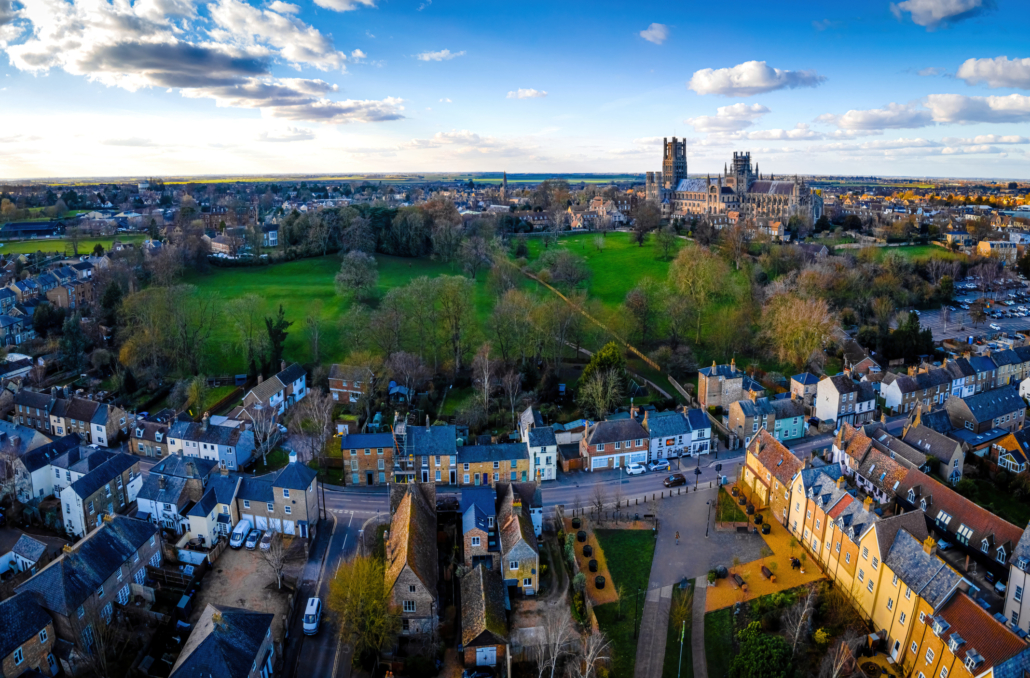
Rural proofing in Cambridgeshire: growth that works
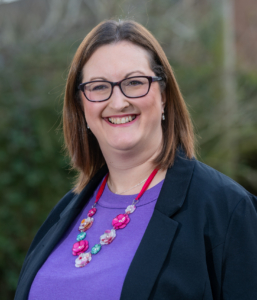
Hayley Neal, Chief Executive of Cambridgeshire ACRE
As Cambridgeshire enters a new phase of growth, Hayley Neal, Chief Executive, explores how rural proofing will ensure that villages and market towns are not overlooked and suggests how inclusive planning can unlock opportunity for the whole county.
There is a lot happening in Cambridgeshire right now. Over the past few weeks, I have found myself reflecting on what that means for the future of our county.
The announcement of a new Local Visitor Economy Partnership (LVEP), alongside plans for the Greater Cambridge Development Corporation, signals a period of significant ambition, investment and change. These are exciting developments that have the potential to bring new opportunities for residents, businesses and communities across Cambridgeshire.
The LVEP brings national recognition and the opportunity to strengthen our visitor economy, attracting more visitors, supporting businesses and raising the profile of Cambridgeshire on a national stage.
Meanwhile, proposals for the Greater Cambridge Development Corporation reflect the scale of growth and opportunity that continues to surround Cambridge and its wider economic area.
As Chief Executive of Cambridgeshire ACRE, I welcome the ambition behind both initiatives. A thriving county benefits everyone.
However, moments like this also remind me why rural proofing matters. When attention is focused on growth, investment and major developments, it becomes even more important to ensure that rural communities are part of the conversation from the beginning. That is not because rural communities need special treatment. It is because they have a vital contribution to make.
Rural Cambridgeshire is home to thriving businesses, community organisations, volunteers, village halls, social enterprises and local leaders. It is home to internationally important landscapes, heritage and visitor destinations. It provides housing, employment, food production and green spaces that benefit the entire county.
Yet rural communities often experience policies and investment differently from their urban neighbours. A transport solution that works well in a city may not work in a village. A visitor strategy that focuses solely on major attractions may miss opportunities for market towns and rural destinations. New development can create opportunities for some communities while placing pressure on infrastructure and services in others.
That is why rural proofing is so important.
At its heart, rural proofing is simply about asking the question: what does this mean for rural communities? It is not about slowing progress or creating barriers. Quite the opposite.
Good rural proofing helps decision makers develop stronger policies, identify opportunities that might otherwise be missed and ensure that investment delivers benefits across the whole county.
The earlier those conversations happen, the better the outcomes tend to be. As plans develop for both the LVEP and the Greater Cambridge Development Corporation, there is a real opportunity to ensure that rural perspectives are considered from the outset:
- How can rural businesses benefit from a growing visitor economy?
- How can visitors be encouraged to explore the villages, landscapes and heritage that make Cambridgeshire unique?
- How can growth strengthen connections between urban and rural communities?
- How can investment support the sustainability and resilience of the places that surround our cities and market towns?
These are not questions for rural communities alone. They are questions that can help make county-wide strategies stronger and more effective.
At Cambridgeshire ACRE, we believe rural communities have an important role to play in shaping the future of Cambridgeshire. As new opportunities emerge, we will continue working with partners across the public, private and voluntary sectors to ensure that rural voices are heard, rural evidence is understood and rural communities can contribute fully to the county’s success.
Because when rural communities thrive, Cambridgeshire thrives.

