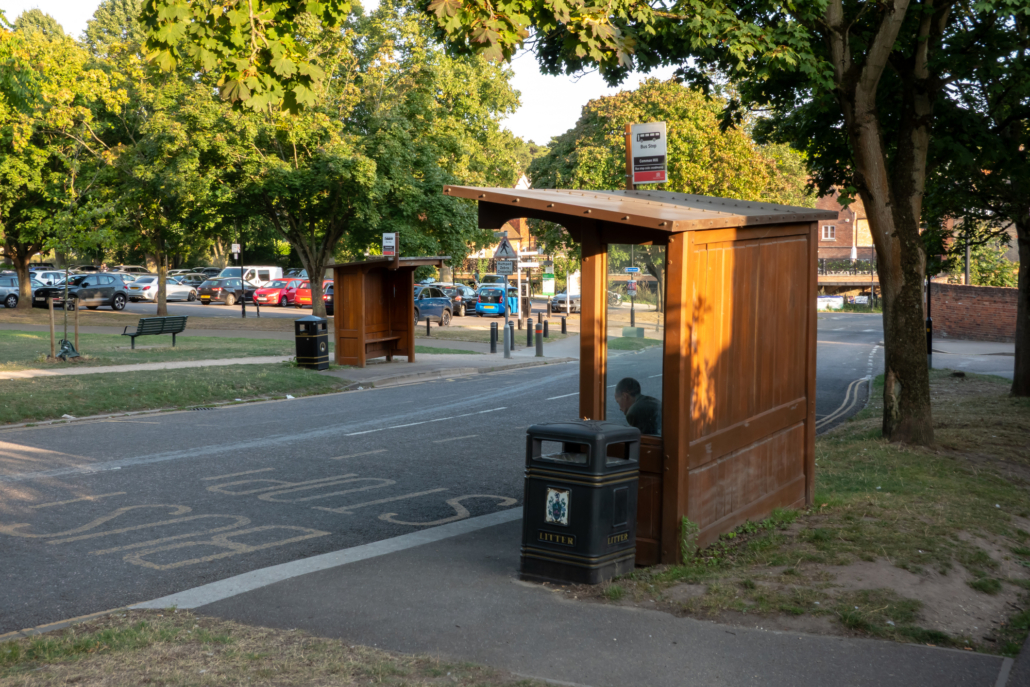
Summer reflection: Are rural communities becoming harder to reach?
For many people, summer is a time when rural communities are at their most visible. Village fetes, open gardens, community events and local celebrations bring people together and remind us of the strength that exists within our villages and market towns.
Yet beneath this positive picture, there is an increasingly important question for anyone involved in supporting rural communities: are rural communities becoming harder to reach?
At Cambridgeshire ACRE, we work with parish councils, village halls, volunteers, community groups and residents across Cambridgeshire and Peterborough. While every community is different, a common theme is emerging. People are not necessarily less engaged in their communities than they once were, but the ways in which they engage are changing and some residents are finding it harder than ever to access support, services and opportunities.
One reason is that many of the traditional places where people connected with information and local services have changed or disappeared. Local bank branches, post offices, pubs, shops and other community spaces have reduced in number across many rural areas. As a result, opportunities for informal conversations and sharing information can become more limited.
At the same time, more public services are moving online. Digital services can bring significant benefits, making information and transactions available at any time. However, for some residents – particularly older people, those on lower incomes or those lacking confidence with technology – an increasingly digital world can create additional barriers. Reliable broadband, suitable devices and digital skills cannot be taken for granted. We regularly meet residents through our Village Agent service who need help completing online forms for benefits, housing or healthcare services because they lack either the digital confidence or equipment to do so independently. In fact, 81% of people supported by Village Agents said they would not have known where to get help otherwise.
Transport also remains a challenge. In many rural areas, reaching services, activities or support often requires a car. For those who do not drive, are unable to drive or have limited access to public transport, physical distance can quickly become social isolation. In some rural communities, a lack of transport means residents can struggle to attend social activities, medical appointments or advice sessions without support from family, friends or volunteer-led transport initiatives.
Alongside these practical challenges, community organisations themselves are under pressure. Volunteers continue to make an extraordinary contribution to rural life, but many groups are recruiting from a smaller pool of people. Expectations placed on volunteers and community facilities have grown, particularly as local organisations increasingly step in to help address issues such as loneliness, wellbeing and access to information. Across our Community Hub network, local volunteers contribute thousands of hours each year, often acting as the trusted local connection that helps identify residents who may need additional support.
Despite these challenges, there is also reason for optimism.
Across Cambridgeshire and Peterborough, we continue to see examples of communities adapting and finding new ways to connect. Parish councils are experimenting with different forms of communication. Village halls are broadening the activities they offer to attract a wider range of residents. Community hubs are providing trusted, local spaces where people can access support, gain confidence and meet others. One Community Hub attendee described their local hub as a “lifeline”, while another said it helped rebuild their confidence to take part in community activities and connect with other people again. The volunteers who lead the Hubs continue to demonstrate remarkable creativity, resilience and commitment.
Perhaps the lesson is that reaching people today requires a broader approach than it once did. A noticeboard alone is unlikely to be enough. Neither is a social media post. Effective community engagement increasingly means using multiple channels, building relationships over time and recognising that different people need different forms of contact and support.
The recent national conversation about the future of rural England has highlighted many of these same issues. Hidden disadvantage, service access, social isolation, digital exclusion and community resilience are no longer niche rural concerns; they are recognised as fundamental factors affecting the health and sustainability of rural communities.
As we look ahead, the challenge is not simply to ask whether rural communities are becoming harder to reach. It is to consider how we ensure that nobody is left behind as society changes around them.
At Cambridgeshire ACRE, we believe the answer lies in strong local relationships, trusted community spaces and investment in the organisations and volunteers that help people stay connected. We see this every day through Community Hubs, Village Agents, Digital Champions, village halls and parish councils that help residents access benefits, housing support, health services, digital skills and opportunities to connect with others. Rural communities have always adapted to change. With the right support, they will continue to do so.
What do you think? We would love to hear from parish councils, community groups and residents about the challenges and opportunities they are seeing in their own communities. After all, staying connected is not just the theme of this newsletter, it is at the heart of building resilient rural places.

