Good governance starts with good people | Trustees’ Week
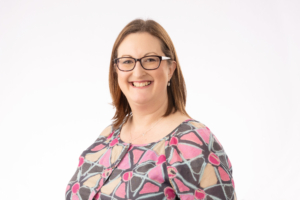
Cambridgeshire ACRE’s Chief Executive, Hayley Neal.
As we come towards the end of Trustees’ Week 2026, Cambridgeshire ACRE’s Chief Executive, Hayley Neal, blogs about the importance of trust, constructive challenge and having the right people around the Board table.
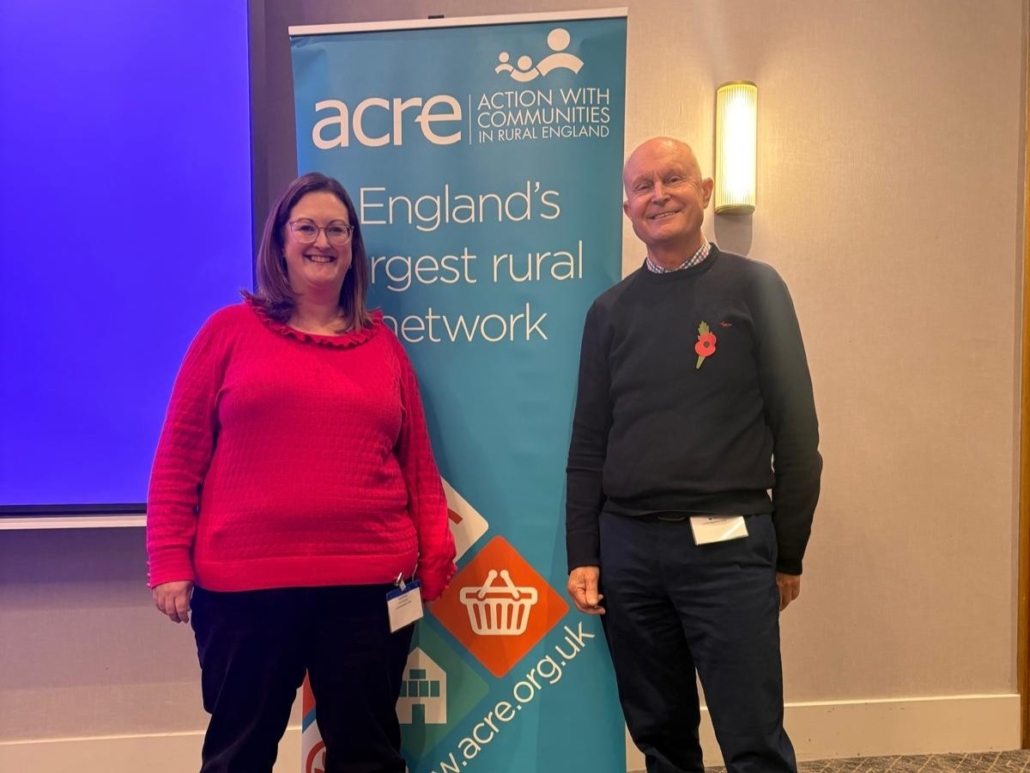
Last week, I attended the ACRE Network’s National Conference alongside our Chair of Trustees, David Olney. One of the sessions featured a speaker from the Charity Governance Code, prompting some interesting discussions about what good governance looks like in practice.
Over coffee afterwards, David and I reflected on the session and the challenges facing charities. One thought particularly stuck with me: however capable or committed a Chief Executive might be, a charity will struggle without an engaged and effective Board of Trustees.
It also made me realise just how fortunate I am to work with the trustees we have at Cambridgeshire ACRE.
Good governance is a two-way relationship
The Charity Governance Code provides an important framework for how charities should be led. But good governance isn’t simply about policies, procedures and committee structures. It’s about people, relationships and trust.
Our trustees take their responsibilities seriously. They read the papers, come prepared to meetings, ask thoughtful questions and challenge us when they need to. They bring a wealth of experience and different perspectives to our discussions.
But what I value just as much is knowing that they’re there when I need them.
If I encounter a problem that requires expertise I don’t have, I know there is someone around our Board table who would happily pick up the phone and talk it through. If something is worrying me, I know I can ask for advice or simply have a conversation with someone who understands the organisation and shares responsibility for its future.
I don’t take advantage of that generosity by calling them every five minutes! But knowing that support is available makes an enormous difference.
And importantly, the trust works both ways.
Our trustees trust me and the staff team to manage the day-to-day running of the charity. They provide strategic direction, oversight and challenge without becoming involved in every operational decision.
That balance isn’t always easy to achieve, but I believe it’s fundamental to a healthy relationship between a Board and its Chief Executive.
As our trustee John Mitchell so neatly put it when reflecting on his experience:
“The people that I have met through Cambridgeshire ACRE are inspiring and epitomise the critical friend – challenging assumptions, offering solutions – while at the same time being incredibly supportive and encouraging.”
I couldn’t have described it better myself.
Different experiences, shared purpose
Throughout Trustees’ Week, we’ve been sharing reflections from our trustees about why they volunteer. Reading their responses has reminded me of another strength of our Board: the different experiences and motivations that people bring.
Our Chair, David Olney, values the opportunity to use his corporate experience to support an organisation making a practical difference to rural communities.
Our Vice-Chair, Terry Jordan, has spent much of his working life supporting local councils and communities across Cambridgeshire and finds it rewarding to continue that work through his trusteeship.
Sarah Severn CBE, having worked on rural policy at a national level, values staying closely connected to the issues affecting rural communities and supporting practical action on the ground.
Jessica Sellick takes a longer view, saying:
“I love the fact that I’m helping a century-old rural charity plan for the next hundred years.”
And Kirstin Donaldson highlights something that is sometimes overlooked when we talk about volunteering:
“It gives me the opportunity to meet communities and people I might not otherwise cross paths with, and I feel that massively improves my understanding and empathy.”
I love that reflection because it reminds us that trusteeship is a two-way experience too. Trustees give their time, knowledge and skills, but they also learn, develop and gain new perspectives through their involvement.
Together, these different motivations and experiences make our Board stronger. They help us consider issues from different angles, ask better questions and make more informed decisions.
And ultimately, everyone around our Board table is working towards the same goal: helping rural communities across Cambridgeshire and Peterborough thrive.
A personal thank you
Being a Chief Executive is a privilege, but it comes with its challenges. There are difficult decisions to make, competing priorities to balance and times when the right way forward isn’t immediately obvious.
Having a Board that is engaged, supportive and willing to challenge constructively makes those responsibilities much easier to carry.
So, as Trustees’ Week draws to a close, I want to say a personal thank you to David and all our trustees.
Thank you for the time you give, the papers you read, the questions you ask and the experience you share. Thank you for caring about our staff, our work and the communities we serve.
And, most importantly, thank you for the trust you place in me and the team, and for being there when we need you.
I certainly don’t take it for granted.
Could you join us?
Of course, a good Board must also keep looking to the future.
In the new year, we’ll be recruiting new trustees to join Cambridgeshire ACRE, bringing fresh perspectives, experiences and skills to help guide the charity through its next chapter.
You don’t need to have been a trustee before, or to know everything about rural community development. We’re interested in hearing from people who share our commitment to rural communities, are curious about our work and would enjoy contributing to the leadership of a charity making a real difference.
We’ll share more information about the opportunities and recruitment process in the new year, but if you’re interested in finding out more, please do get in touch with me now. I’d be delighted to have an informal conversation.
Because, as I’ve been reminded this week, good governance starts with good people. And there’s always room for more good people around the table.

