Guest blog: A day in the life of a village hall trustee

Steve Scott, guest blogger and one of Cambridgeshire ACRE’s valued peer mentors
We invited trustee, Steve Scott, from Abbotsley Village Hall, who’s also one of our brilliant Peer Mentors for other village halls, to tell us what an average day looks like for him. Here’s his story.
People often see a village hall as a convenient local space to book for classes, clubs or celebrations. What they don’t always see is the work that goes on behind the scenes to keep that space safe, welcoming and available to everyone. As a trustee of Abbotsley Village Hall – and in my role as a Peer Mentor with Cambridgeshire ACRE – I’m often asked what being a trustee actually involves. So here’s a glimpse into a typical day.
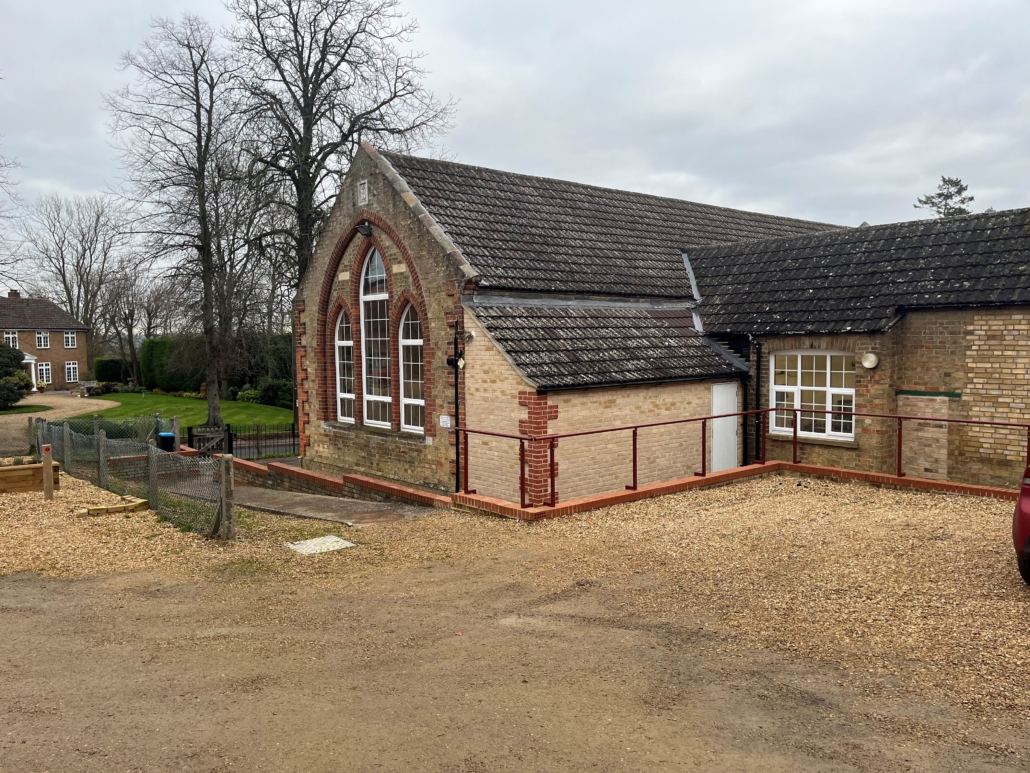
Abbotsley Village Hall, just 3 miles south-east of St Neots
Starting the day with the inbox
Most mornings begin with the hall email account. Bookings, questions from regular users, requests for key access, queries about the hire agreement – they all come through here. Trustees are volunteers, so we fit this around day jobs and family life, but clear and timely communication keeps everything running smoothly.
I often refer hirers to our policies or highlight sections of the hire agreement. These documents aren’t there to create barriers; they’re written to reflect Charity Commission guidance on good governance and to keep everyone safe and informed.
Checking the building – the unseen essentials
A village hall is a living building. It needs care.
Some days that means popping in to check the heating timers, ensure the fire doors are closing properly or make sure the cleaning after a weekend booking has been done to the standard expected. Other days it’s noticing that a hinge is loose, a bulb is out or the kitchen tap has started dripping and either fixing it or contacting the right contractor.
Trustees also have a duty to ensure compliance with health and safety requirements – following HSE guidance, keeping risk assessments up to date, checking PAT testing dates, monitoring fire safety equipment and making sure the hall remains accessible to all users.
These tasks aren’t glamorous, but they are essential.
Liaising with contractors and suppliers
Whether it’s arranging the annual boiler service, organising electrical checks or meeting a builder to talk about repairs, trustees are often the link between the hall and the professionals who keep it functioning.
As a Peer Mentor, I regularly remind other committees that keeping on top of maintenance and servicing isn’t optional – it’s a core part of managing a community asset responsibly. Preventative work saves money and headaches in the long run.
Supporting activities and community groups
One of the most rewarding parts of being a trustee is seeing the hall in use. The yoga class that’s been running for years, the craft groups, the parish meetings – each one brings something unique to the community.
Occasionally, trustees pop in at the start of a session to check everything is okay or to help a new hirer understand how the heating controls or sound system works. It’s not about policing; it’s about being supportive and ensuring hirers feel confident and welcome.
Committee work – planning, funding and the big picture
Behind every smooth-running hall is a committee that meets regularly to plan for the future. Agendas might include:
- Reviewing financial reports
- Discussing upcoming grant opportunities
- Considering improvements or new equipment
- Reflecting on hall usage patterns
- Ensuring compliance with governing documents and Charity Commission expectations
Some meetings are quick. Others run longer as we consider funding bids, building projects or partnership opportunities. Good governance takes time – but it’s the backbone of a well‑run village hall.
Peer mentoring – helping other halls along the way
My role with Cambridgeshire ACRE gives me the chance to support other halls across the county. Sometimes that means helping trustees interpret guidance, talking through a tricky scenario or pointing them to useful resources like ACRE’s information sheets, sample policies or template documents.
Every village hall is different, but many of the challenges are shared and it’s encouraging to see how much we can help each other simply by sharing experiences.
It’s volunteering — but it’s worth It
Being a village hall trustee does require commitment, care and a willingness to learn. No two days are the same. Some tasks are simple; others require more time and thought. But every effort contributes to something bigger – keeping a valued community space open and thriving.
If you have ever considered joining your local village hall committee, even in a small capacity, I would encourage you to take that step. Your hall will be better for it and you may find it more rewarding than you expect.

