Carbon Monoxide: the silent danger in our homes

Village Agent, Sue Shirley
In her first blog, Village Agent, Sue Shirley, talks about the silent danger that many of us face in our homes without knowing about it.
Many of those of us living in rural areas use appliances such as log burners, open fires, gas cookers or oil boilers to heat our homes and cook our meals especially in the colder months. They are part of our everyday lives and often bring a lot of comfort. If you use any of these, this message is especially for you.
What is Carbon Monoxide?
Carbon monoxide (CO) is a poisonous gas that you cannot see, smell or taste. It is produced when wood, coal, oil or any form of gas doesn’t burn properly.
Why is it so dangerous?
Carbon monoxide is known as “the silent killer.” It can build up in your home without you knowing and reach toxic levels which can cause harmful side effects and potential death. The symptoms often feel like having a cold or flu, making it even more difficult to identify. Symptoms include:
- Headaches
- Feeling dizzy or weak
- Nausea (feeling sick)
- Breathlessness
- Confusion
- Collapse or loss of consciousness in extreme cases
Older adults can be more vulnerable to the effects of CO and it can affect pets before people notice it themselves.
How can you stay safe
The good news is that it is easy to protect your home and yourself once you know what to look out for. Here are some simple steps that really do save lives.
-
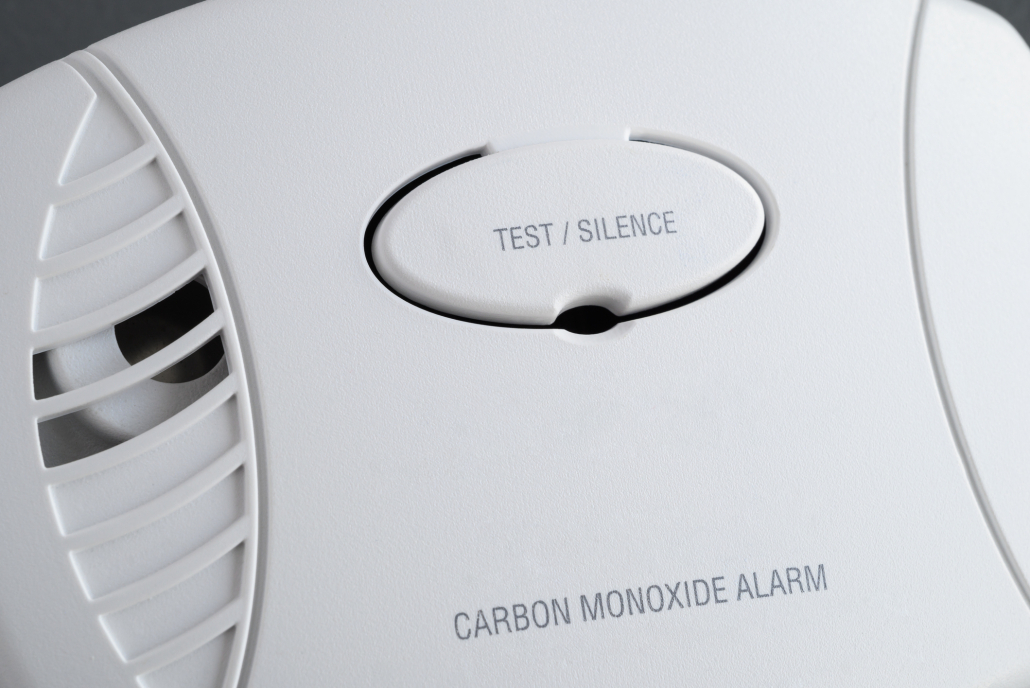
Fit a carbon monoxide alarm
This is your first line of defence
- Choose one that meets British Standard EN 50291 and displays the BSI Kitemark.
- Install it near your fuel-burning appliances, around head height.
- Test the alarm monthly, and replace the batteries when needed.
➡️ You can read Which? Advice on choosing a CO alarm which will help you to choose a good one.
-
Have appliances serviced every year
- Boilers, fires, stoves and chimneys should be checked annually by a qualified engineer.
- Only use Gas Safe registered engineers for gas, OFTEC for oil and HETAS for solid fuel systems.
➡️ Visit Gas Safe Register to check if your engineer is qualified.
➡️ Or visit a local HETAS registered installer.
-
Maintain your solid fuel appliances
If you use a log burner, a coal fire or range:
- Get your chimney swept at least once a year (twice if you burn wood on a regular basis)
- Use the right fuel, wet or unseasoned logs can cause tar build-up.
- Never leave fires unattended and let them cool fully before clearing the ash.
- Make sure there is enough ventilation in the room.
➡️ More tips are available from the Solid Fuel Association.
-
Never use outdoor appliances indoors
- Barbecues, portable gas heaters or camping stoves should NEVER be used in the house, garage or shed. CO builds up very quickly in enclosed spaces.
Could you be eligible for a free home safety check?
In Cambridgeshire there are schemes that offer free home fire and safety checks, including CO alarms for eligible residents. These visits are quick and efficient and carried out by professionals.
➡️ Learn more and request a visit from Cambridgeshire Fire and Rescue Safe and Well Service. If you are over 65, living alone or have a health condition you may qualify for extra help.
A true story – and a timely reminder
One gentleman I supported had been using his old coal fire for years without any issues. However when his daughter came to visit she noticed he was looking pale and tired. It turned out that because the chimney had not been swept for several years CO was leaking into the room. A quick check and a visit from a local chimney sweep plus a new CO alarm was desperately needed. Within a few days he was feeling and looking much better as well as being safe in his home.
Final thoughts
Carbon monoxide is invisible but protecting yourself from its’ harmful effects is easy and straightforward. A small alarm, regular service and a bit of awareness go a long way. Stay safe.

