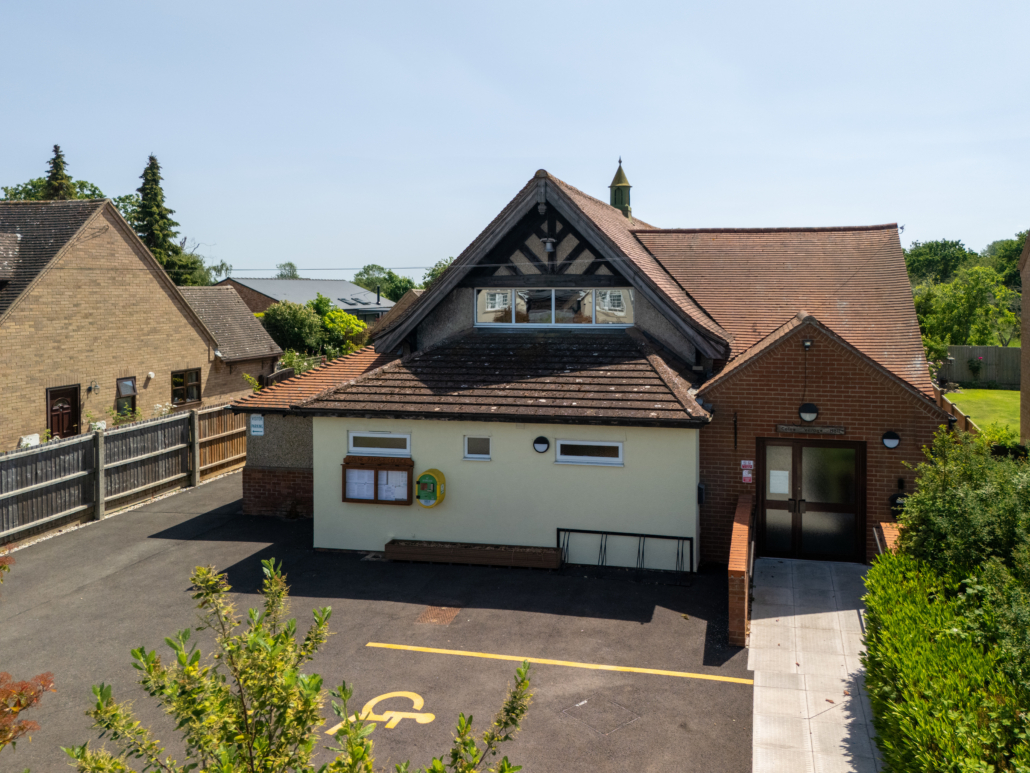
Community buildings matter more than we think
New Government evaluation reinforces the value of investing in rural community buildings
A new Government evaluation of the UK Shared Prosperity Fund (UKSPF) has provided some of the strongest evidence to date that investing in community buildings can strengthen local pride, support learning and skills development and create wider benefits for communities, including people who never set foot inside the building itself. The findings have important implications for rural Cambridgeshire, where village halls and community centres often act as the social infrastructure that holds communities together.
The report, published by the Ministry of Housing, Communities and Local Government, examined the impact of major capital investments in community buildings, playgrounds and sports facilities across England and Wales. Among the projects studied, community building refurbishments demonstrated measurable improvements in residents’ sense of pride in their local area and in skills development among users of the facilities. The evaluation also concluded that these investments are likely to deliver at least acceptable value for money over the longer term.
More than bricks and mortar
One of the most striking findings is that improved community buildings increased “pride in place” not only among users but also among local residents who were aware of the facility but did not use it. The evaluation found a four percentage point increase in pride in place across local residents, rising to eleven percentage points among people who knew about the building but were not active users.
This matters because it challenges a common assumption that community buildings only benefit those who attend activities. Instead, the evidence suggests that visible investment in valued local assets can shape how people feel about where they live, contributing to confidence, belonging and perceptions of a thriving community.
For rural communities, where the village hall may be one of the few publicly accessible community spaces left, this finding rings particularly true.
A rural perspective
Across Cambridgeshire’s villages, community buildings are far more than venues for meetings and events. They host lunch clubs, youth activities, health and wellbeing sessions, community transport services, warm hubs, local markets, training opportunities and emergency response initiatives. In many places, they provide the only space where residents can regularly come together. Yet many of these buildings face significant challenges. Volunteer management committees are under pressure. Rising energy costs strain already tight budgets. Buildings constructed decades ago often require major investment to remain accessible, environmentally sustainable and fit for modern use.
The Government’s evaluation highlights an important lesson: physical improvements alone are valuable, but longer-term outcomes depend on how buildings are used, how accessible they are and what activities they enable. The report notes that behavioural and social benefits are closely linked to usage and community engagement rather than capital investment alone. For organisations working alongside community buildings, this point is particularly significant.
Futureproofing community buildings for the future
At Cambridgeshire ACRE, this reflects what we see every day through our Futureproofing Cambridgeshire’s Community Buildings project. Supporting a community building is not simply about finding funding for a new roof or replacing a heating system. It is about helping local volunteers develop the governance, skills, confidence and long-term plans needed to ensure that these buildings continue serving their communities for years to come.
The Government evaluation found evidence that improved community buildings increased skills among users, with benefits linked to better facilities, digital access, co-located services and community-led activities. That finding reinforces the importance of viewing community buildings as platforms for delivering broader outcomes. A refurbished hall can provide space for digital inclusion activities. A more energy-efficient building can reduce running costs and increase financial resilience. Better accessibility can enable participation from residents who may previously have been excluded. The building itself matters, but the opportunities it creates matter just as much.
The case for sustained investment
There is also a wider policy lesson. The evaluation acknowledges that many of the most important community outcomes, including reduced loneliness, improved wellbeing and stronger social cohesion, may take longer to emerge than the three-to-twelve-month evaluation period examined by researchers. This echoes a challenge often faced by rural communities. Funding programmes frequently support capital improvements, but the support needed to build volunteer capacity, strengthen governance and develop sustainable activities can be harder to secure.
If policymakers want to maximise the return on public investment, capital funding should be accompanied by practical support that helps communities make the most of their assets. Buildings do not generate community impact on their own. Local people do.
Building stronger rural communities
For rural Cambridgeshire, the message from this evaluation is encouraging. Investment in community buildings delivers benefits that extend beyond the walls of the building itself. It can strengthen pride in place, create opportunities for learning and participation and provide the foundations for wider social and economic activity.
As communities continue to navigate rising costs, changing demographics and increasing demand for local support, community buildings remain one of the most important assets available to them. The challenge now is to ensure these buildings are not only maintained but futureproofed: able to adapt, respond and continue serving as the heart of village life for generations to come. Through the Futureproofing Cambridgeshire’s Community Buildings project, Cambridgeshire ACRE is working with communities across the county to do exactly that.
Read the full evaluation report here.

