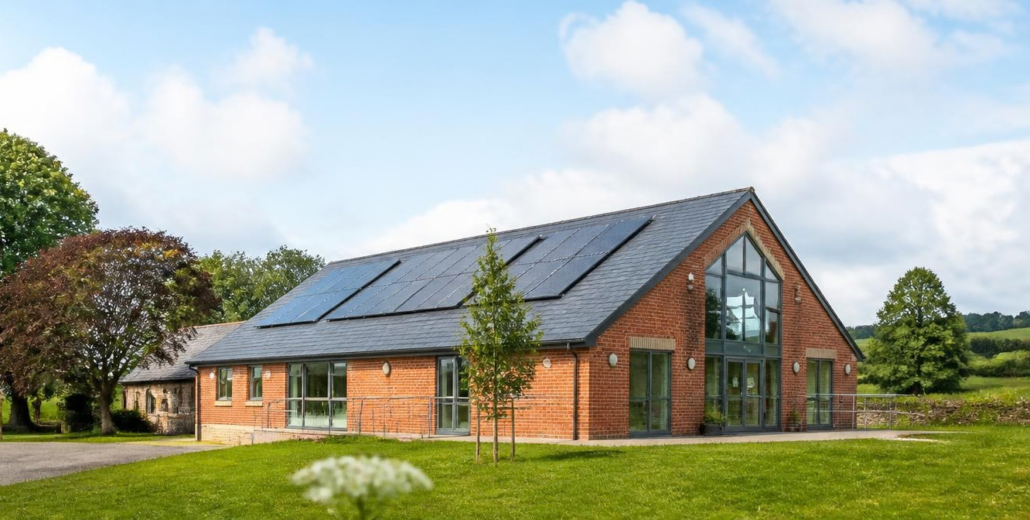
Why village halls should act now on 0% VAT for energy-saving improvements
Community buildings across Cambridgeshire are facing increasing pressure from rising operating costs as well as ageing infrastructure and growing expectations around sustainability. For many trustees, improving energy efficiency is a practical way to reduce running costs, improve comfort for users and safeguard the long-term future of the building.
There is currently an additional financial incentive to act.
The Government’s temporary 0% VAT rate on qualifying energy-saving materials is due to end on 31 March 2027, after which installations will revert to the reduced VAT rate of 5%. The relief applies to many buildings used for relevant charitable purposes, including village halls and community facilities, and covers a range of technologies such as solar PV, battery storage, heat pumps and certain insulation measures.
While March 2027 may still sound some way off, trustees considering improvements should begin planning now. Through our Futureproofing Cambridgeshire’s Community Buildings project, we know that successful energy efficiency projects require time to investigate options, find suitable contractors and obtain quotes, secure funding and approvals, and complete installation works before the deadline.
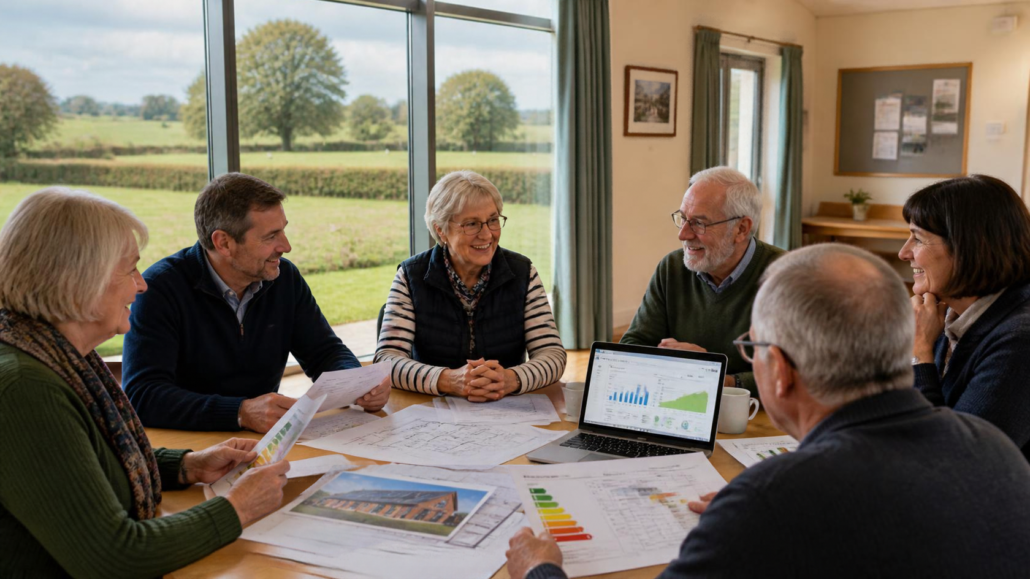
Why planning ahead matters
One of the biggest challenges facing volunteer committees is finding the time and confidence to make informed decisions about technical improvements.
Questions often include:
- Is our heating system efficient?
- Should we invest in solar panels and battery storage?
- Should insulation and draught-proofing come before renewable technologies?
- What improvements will have the greatest impact on our energy bills?
Without independent advice, it can be difficult to know where to begin. This is where an energy audit can help.
The first step: an energy audit
Cambridgeshire ACRE’s energy audits are designed specifically for community buildings and they provide a clear picture of how your building currently uses energy and identifies the most effective opportunities for improvement.
Each audit provides:
- A clear understanding of current energy performance
- Practical and costed recommendations
- Estimated financial and carbon savings
- A prioritised action plan
- Independent advice
Rather than leaving trustees with a complex technical report, the aim is to provide a realistic set of potential upgrades for their building, along with follow-up support to help to guide future investment decisions.
A realistic timeline before the VAT relief ends
Many building improvement projects take longer than expected. Contractors may have long lead times, committees often meet infrequently and funding applications can take several months to prepare and process.
To maximise the opportunity presented by the current VAT relief, community buildings should consider the following timeline.
Autumn 2026 – Book an energy audit
This is the ideal time to gather energy data, review the building’s performance and identify priority projects. The earlier an audit is completed, the more options trustees will have available.
Early Winter 2026 – Review recommendations, create a prioritised action plan and obtain quotations
Work with Cambridgeshire ACRE to use the audit findings to explore and prioritise potential measures. This stage allows trustees to understand costs, expected savings and likely payback periods for different measures and take a practical phased approach to implementation.
Late Winter 2027 – Secure approvals and funding
Once projects have been identified and prioritised, committees can develop funding applications, and where appropriate, obtain approvals. This period can also be used to appoint contractors and schedule works.
Early Spring 2027 – Complete installations
Where projects are viable, aim to complete installation works before 31 March 2027 to benefit from the current 0% VAT treatment on eligible measures. As the deadline approaches, demand for installers may increase, making early planning particularly important.
More than just a VAT aaving
Although the VAT relief provides a valuable financial incentive, the wider benefits of energy-saving improvements are often much greater.
Well-planned projects can help community buildings:
- Reduce annual energy costs
- Improve comfort for users and hirers
- Cut carbon emissions
- Protect against future energy price volatility
- Increase the usability of the venue
- Strengthen future funding applications
Many halls also discover that relatively small improvements, such as upgrading lighting, improving controls or addressing draughts, can deliver meaningful savings while larger projects are being planned.
Don’t leave it too late
The current 0% VAT relief provides an excellent opportunity for community buildings considering energy-saving improvements. However, the buildings most likely to benefit are those that start planning now.
An energy audit provides the evidence, confidence and roadmap needed to move from ideas to action. It helps trustees identify the right priorities, avoid costly mistakes and develop projects that can be delivered before the VAT relief ends.
If your hall is considering energy-saving measures such as solar PV, battery storage, insulation or heating upgrades, now is the time to begin the conversation. Contact our Community Buildings team to discuss an energy audit for your community building.

