How I recruit volunteers: five tips that work

In this short blog, our volunteering expert, otherwise known as Senior Community Development Officer, Rachael Brown, gives her tried and tested tips for recruiting volunteers.
Volunteers are at the heart of community life. Volunteers keep sports clubs going, run events, care for our environment and support essential services. Whether it’s a village fete, a nature group or a heritage project, voluntary effort is what brings it all to life.
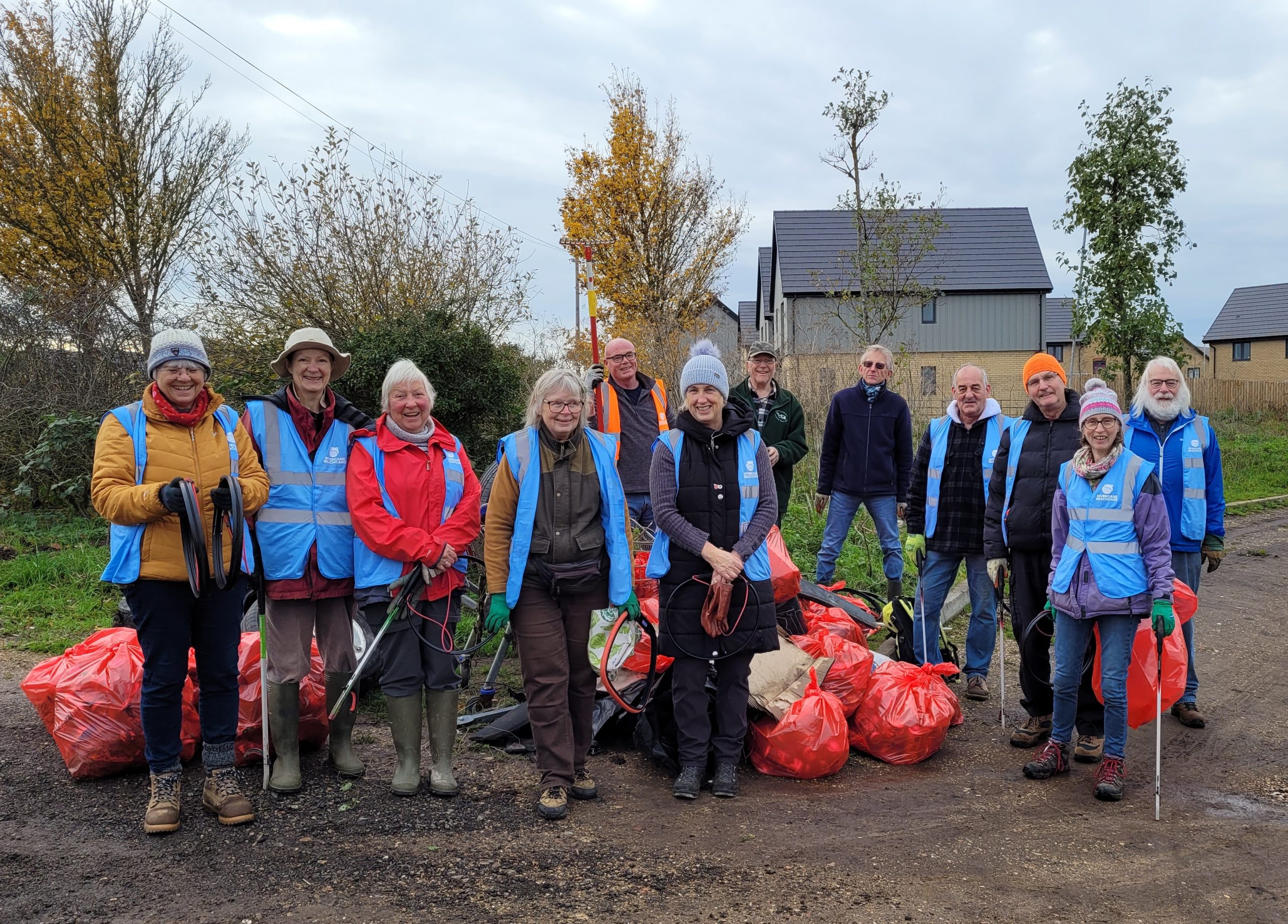
I help manage a volunteer scheme for the Environment Agency and run a RiverCare group, so I’ve recruited quite a few volunteers over the years. These are the five approaches that have worked best for me.
- Facebook is a good place to start: More than half of my Environment Agency volunteers first got in touch through Facebook. It’s useful not just for promotion but also for keeping in touch. I manage many of my RiverCare volunteers through Messenger. Posting on your own page is a start, but joining and posting in local community groups is far more effective. You’ll reach people who already care about their area. If you want to attract younger volunteers, you may need to explore other platforms such as Instagram or TikTok.
- Don’t rely on one method: Use as many routes as you can. Email local organisations, put up posters in libraries or shops, write a short piece for a school or parish newsletter, ask to speak at a local meeting or share on different social media platforms.
Think about where people are likely to see your message and what would make them stop and read it. - Not everything will work: Some of the things I tried didn’t bring in volunteers. Community events, free market stalls and online match-up sites weren’t especially successful for me. That doesn’t mean they won’t work for you, but it’s worth paying attention to what actually leads to sign-ups.
- Pick up the phone: Once someone expresses interest, try to speak with them. A friendly phone call helps build a connection and gives both of you a clearer sense of what to expect. Volunteers appreciate the personal effort.
- Make it easy to say no: It might seem odd, but giving people permission to say no saves time and avoids awkward silences. If someone isn’t sure, just let them know it’s fine to step away. It helps you focus your energy where it’s most needed and keeps the door open for future involvement.
If you’ve found something that works well for you, I’d be glad to hear it. Sharing ideas helps us all support our communities more effectively.

