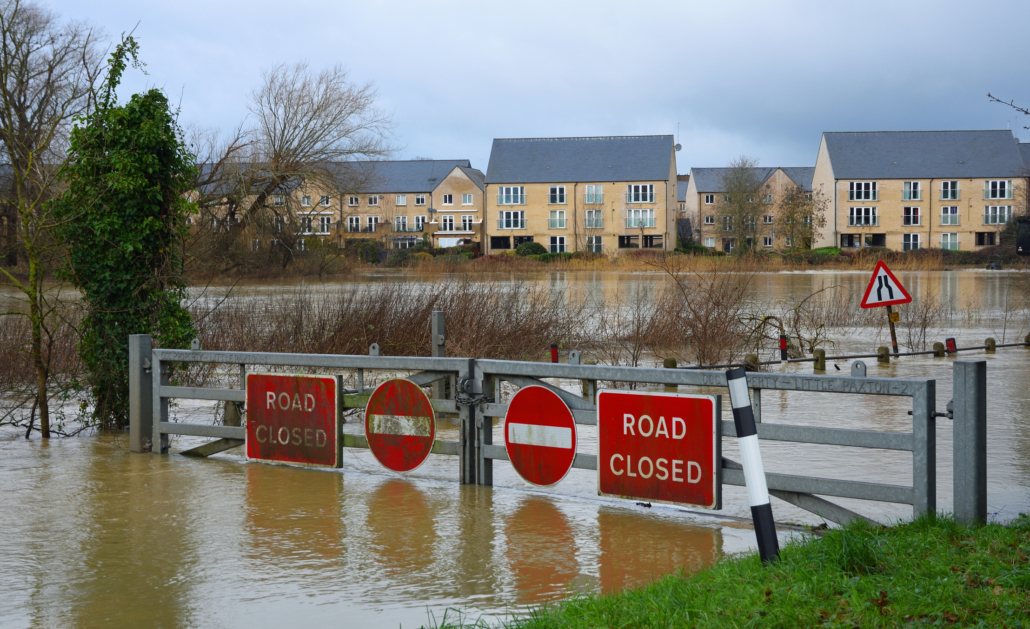
Flood Action Week: preparing our homes and communities
Flood Action Week runs from 12 to 18 October 2026. It is a chance to understand our flood risk, prepare our homes and think about how we can support one another across Cambridgeshire and Peterborough.
Around 6.3 million homes and businesses in England are in areas at risk of flooding. A dry summer does not remove that risk. Heavy rainfall can overwhelm local drainage, causing surface water flooding even in places away from rivers.
Flooding can affect our homes, businesses, travel and wellbeing. Taking practical steps beforehand can help reduce the impact and give us more confidence about what to do.
Start with your household
Checking your flood risk is a useful first step, even if your property has never flooded.
The Environment Agency’s Flood Action website brings together practical advice on understanding your risk and preparing for flooding. You can also sign up for free flood warnings where available. These do not cover every location or every type of flooding.
Think about what you would need to do if flooding were expected. Where could you move important documents and treasured possessions? What medication, clothing and other essentials would you need if you had to leave home? Who could help you and where could you go?
Putting these details into a household flood plan means you have them ready when needed. Make sure everyone in your household knows where to find it.
Find advice on preparing for flooding.
Use what your community knows
Residents often have valuable knowledge of their local area. They may know which roads become difficult to use, where water collects and which access routes have been affected by previous flooding.
That experience can support conversations with councils and other organisations responsible for managing flood risk. Recording where and when flooding happened, what was affected and how access was disrupted can help build a fuller picture alongside official information.
Only record flooding from a safe place. Never enter floodwater to take photographs or put yourself at risk to gather information.
You can find local advice and reporting routes through Cambridgeshire County Council and Peterborough City Council.
Make connections before they are needed
Preparing as a community can begin with a conversation at a parish council meeting, village hall or local group.
Does your community already have a flood group or emergency plan? Are the contact details up to date? How would important information reach residents who are not online?
It is also worth thinking about people who may need extra support, including those with limited mobility or who live alone. Talking beforehand helps people explain what assistance they might need and agree how to stay in touch.
Community plans should support official advice and help people stay safe. Volunteers should understand their role and its limits.
Cambridgeshire County Council provides community flood group resources. The national community flood plan template is another useful starting point.
Take one step this week
You do not need to do everything at once. Check your flood risk, prepare an emergency bag or ask whether your community has a flood plan.
These small actions, alongside local knowledge and strong community connections, can help us prepare before flooding happens.
If severe weather is approaching, check current flood warnings and the flood forecast and follow advice from the emergency services.

