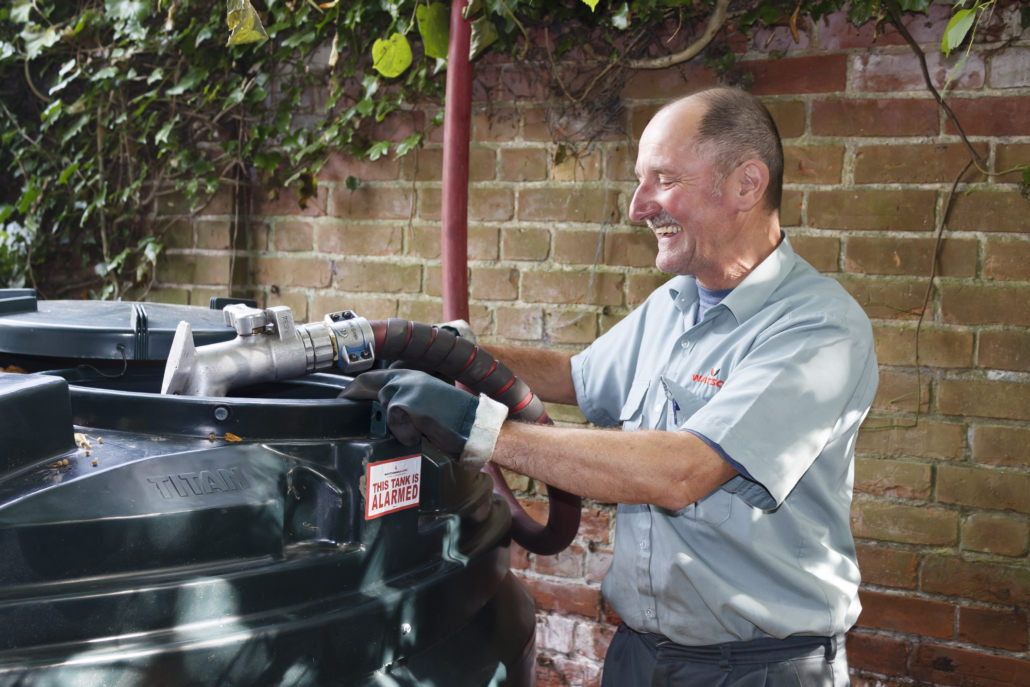
Protect off-grid homes from heating oil costs
Thousands of households across rural Cambridgeshire rely on heating oil to keep their homes warm. With prices rising sharply and many families already struggling with household costs, Cambridgeshire ACRE is calling for off-grid communities to be properly recognised in future Government energy support.
For many people, preparing their home for winter means turning the heating back on after the warmer months. But for households that are not connected to the mains gas network, it can mean finding hundreds of pounds upfront to pay for a delivery of heating oil.
Across Cambridgeshire, 27,525 households use oil to heat their homes, according to Census 2021 data. Many are in rural parts of South Cambridgeshire, East Cambridgeshire and Fenland, where access to mains gas can be limited. At the same time, an estimated 34,750 households across Cambridgeshire and Peterborough are living in fuel poverty.
These figures point to a significant, but sometimes overlooked, rural challenge. Rising energy prices affect households everywhere, but people living off the gas grid face particular pressures because of the way their fuel must be purchased and paid for.
Why rural households need heating oil support
Households using heating oil or liquefied petroleum gas, commonly known as LPG, are not protected by Ofgem’s energy price cap. They also usually need to buy their fuel in relatively large quantities, with payment required upfront.
This creates a very different experience from paying a monthly gas bill. A household may need to find a substantial sum at short notice, particularly if its oil tank is running low during cold weather. For people on low or unpredictable incomes, that lump-sum cost can be extremely difficult to manage.
Recent increases in global oil prices have made the situation more pressing. BoilerJuice reported that the average heating oil price was 94p per litre on 2 September 2026. This was around 82 per cent higher than on the same date in 2025, meaning that a typical 1,000-litre delivery cost almost £940.
The concern is not simply that heating will cost more over the course of the winter. It is that households may need to find almost £1,000 at once to refill their tanks. For some residents, delaying an order may feel like the only available option, even when it risks leaving them without adequate heating.
Local residents are already feeling the pressure
Through our work with rural communities, Cambridgeshire ACRE sees first-hand how rising energy and household costs can affect people’s health, wellbeing and financial security.
Earlier this year, a resident in northern Cambridgeshire who provides full-time care for a family member found themselves without heating oil. Unable to afford another delivery, they had to rely on expensive electric heaters to keep their home warm while also struggling to meet other household bills.
Through Cambridgeshire ACRE’s fuel poverty support service, emergency assistance was arranged to secure an oil delivery. The resident was also offered practical energy-saving measures to help reduce pressure on household costs. They later said that the support had made a“huge difference mentally and practically” during a particularly difficult period.
Their experience illustrates what can sit behind the headline figures. Running out of heating oil is not only a financial problem. It can create anxiety, place additional pressure on unpaid carers and leave people dependent on forms of heating that may be more expensive to operate.
Rural households must not be overlooked
Hayley Neal, Chief Executive of Cambridgeshire ACRE, said:
“More than 27,000 households in Cambridgeshire rely on heating oil, yet the challenges they face are often overlooked in national conversations about energy costs. For many rural residents there is simply no alternative. They cannot switch to mains gas and they often have to find hundreds of pounds at short notice to pay for a fuel delivery. We regularly hear from older residents, carers and families who are worried about how they will afford to keep their homes warm as winter approaches. Behind the statistics are real people making difficult decisions about heating their homes, buying food or meeting other essential household costs. Any future support package must properly recognise the realities facing households that live off the gas grid.”
As the Government considers further support for households struggling with energy costs, Cambridgeshire ACRE is backing calls from Action with Communities in Rural England, known as ACRE, for additional targeted help for homes that depend on alternative fuels.
National measures designed primarily around gas and electricity accounts risk missing households whose heating arrangements work differently. Effective support therefore needs to reflect both the price of alternative fuels and the practical reality of paying for a large delivery upfront.
Could removing VAT reduce heating oil costs?
One proposal is to remove the 5 per cent VAT currently applied to purchases of heating oil. At the price recorded on 2 September 2026, this would save a household around £45 on a typical 1,000-litre delivery.
A £45 saving would not remove the wider affordability challenge, but it would provide immediate and easily understood help for households facing a substantial fuel bill. It would also recognise that heating oil is an essential household cost for residents who have no access to the mains gas network.
Corinne Pluchino, Chief Executive of Action with Communities in Rural England, said:
“We are grateful that our network of member charities is backing our call to ensure off-grid rural households receive the support they need ahead of winter. We remain keen to work with Government on practical measures that can help keep energy costs down and provide reassurance to families facing another challenging winter.”
A fairer response for rural communities
Energy support needs to reflect the different ways in which people heat their homes. For more than 27,000 Cambridgeshire households, heating oil is not a lifestyle choice. It is the principal means available to keep their homes warm.
Cambridgeshire ACRE is therefore calling for future Government measures to recognise the specific position of off-grid households, including the absence of price-cap protection and the need to pay large sums upfront. Practical, targeted support could reduce immediate financial pressure and help ensure that rural residents are not disadvantaged simply because of where they live.
Cambridgeshire ACRE will continue to work alongside rural communities and the wider ACRE network to highlight these pressures and advocate for a fair response that reaches people living beyond the gas grid.

