New toolkit helps rural communities influence housing decisions under devolution
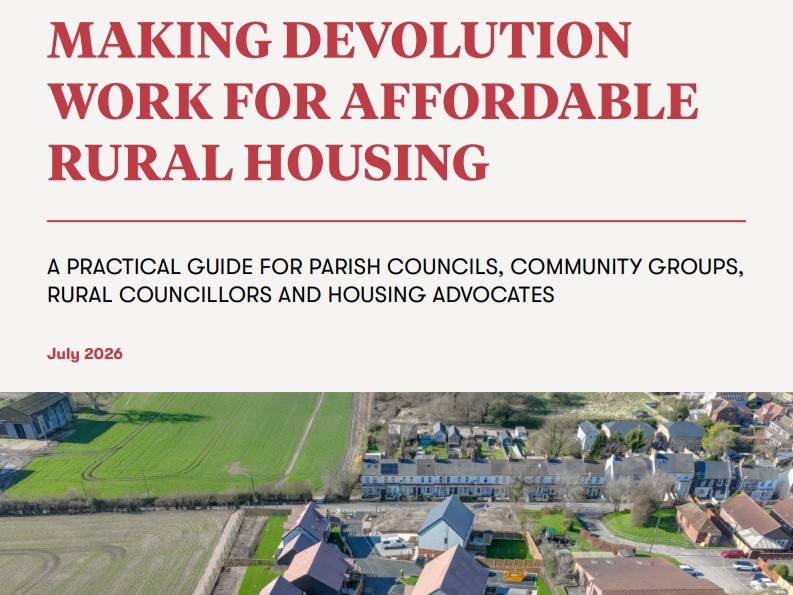
A new national toolkit has been launched to help rural communities understand devolution, engage with decision-makers and ensure affordable housing remains a priority as new strategic authorities take shape across England. Developed by English Rural and the National Housing Federation, the resource is designed for parish councils, community groups, rural councillors and housing advocates. It provides practical guidance on how rural communities can make their voices heard as major changes to local governance and housing policy are implemented.
The launch comes at a significant moment. The English Devolution and Community Empowerment Act 2026 has transferred substantial housing and planning powers to new strategic authorities, many of which will be led by elected mayors. These authorities will be responsible for producing long-term Spatial Development Strategies that will influence where housing investment takes place for at least the next two decades.
For rural communities, the stakes are high. English Rural highlights concerns that, without active engagement, the housing needs of villages and market towns could be overlooked within larger strategic geographies. The organisation points to ongoing challenges including more than 300,000 people on rural housing waiting lists, rural house prices that significantly outpace local earnings, and continuing pressures on rural affordability.
The toolkit aims to help communities respond proactively. It includes:
- A straightforward introduction to devolution and its implications for rural housing.
- Guidance on who to engage with, including mayors, strategic authorities, MPs and housing professionals.
- Five practical actions communities can take to influence decision-making.
- Rural checklists to assess whether housing and planning strategies have been properly considered from a rural perspective.
- Template letters, briefing notes, council motions and social media content that can be adapted locally.
The resource builds on research undertaken by the Countryside and Community Research Institute (CCRI) for the Rural Housing Network, which identified both opportunities and risks arising from devolution. The research concluded that proactive engagement will be essential if rural affordable housing priorities are to remain visible within emerging governance arrangements.
For Cambridgeshire ACRE, the publication is particularly timely. Across Cambridgeshire and Peterborough, discussions around devolution and Local Government Reorganisation continue, with a final decision expected by the early autumn. Decisions taken over the coming years will help shape how housing, infrastructure and public services are planned and delivered across both urban and rural areas.
Cambridgeshire ACRE has long championed the importance of ensuring rural communities are not treated simply as smaller versions of towns and cities. Rural areas often face distinct challenges relating to housing affordability, transport, access to services and digital connectivity. Effective policy-making depends on understanding these differences and ensuring rural evidence, experience and perspectives inform decision-making from the outset. This principle sits at the heart of rural proofing and is increasingly important as strategic authorities take on new responsibilities.
The English Rural toolkit offers a practical starting point for parish councils, community organisations and local residents who want to play an active role in shaping the future of their communities.
Download the toolkit: Making Devolution Work for Affordable Rural Housing

