When energy bills rise, community buildings step up
Energy and living costs remain a concern for many households across the UK. While recent government measures have focused on lowering average energy bills and raising incomes for the lowest‑paid, the national Cost of Living Payment scheme has now ended, with support increasingly delivered through structural changes to bills and locally administered funds rather than one‑off cash payments.
As national support shifts, local responses matter more
In rural Cambridgeshire, this shift has real, practical implications. As national help becomes less visible and more systems‑based, people are increasingly turning to what is close, familiar and trusted. Village halls and community buildings are quietly stepping into that space.
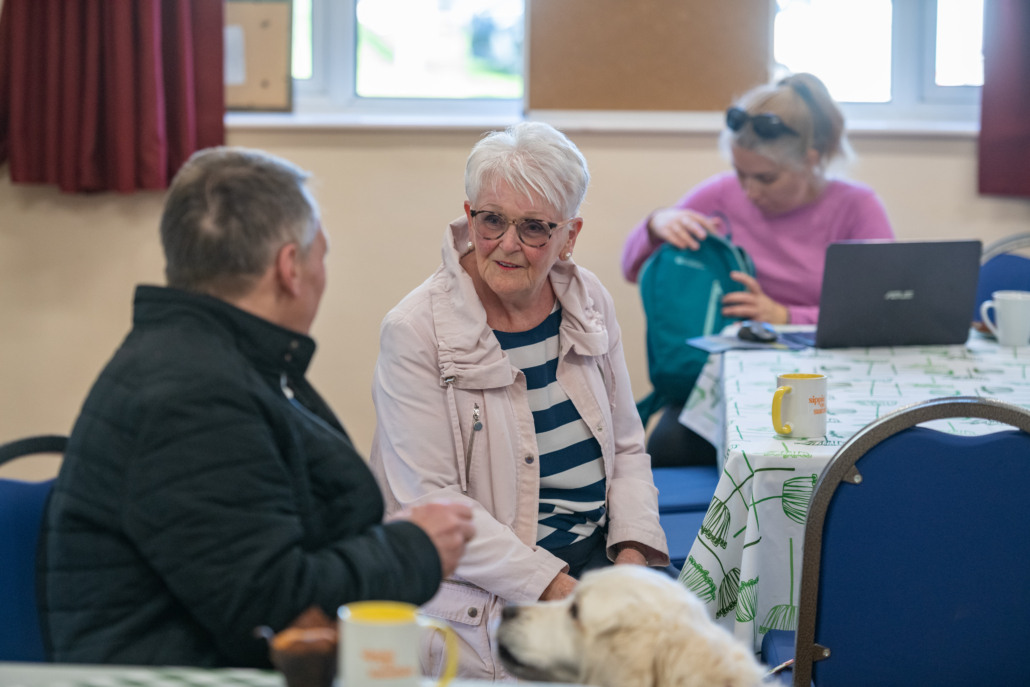
For many residents, the village hall now serves multiple functions. It is a warm, welcoming place to spend time without needing to spend money. It is somewhere to meet others, attend low‑cost activities or take part in support offered by partner organisations. During Village Halls Week 2026, trustees and volunteers told us that these everyday roles feel more significant than ever as household budgets continue to be stretched.
This reflects a wider national picture. Research and policy commentary increasingly recognise that the impact of cost‑of‑living pressures varies sharply by place, with rural communities often facing higher costs alongside fewer services. National support can set frameworks, but the way people experience and navigate financial pressure is deeply local.
Rising running costs and a narrowing landscape for capital funding
At the same time, the buildings themselves are under growing strain. Energy costs, insurance, essential maintenance and compliance requirements continue to rise, often faster than income from room hire. Many hall committees are balancing a desire to keep fees affordable with the need to protect the building’s future. These are not short‑term decisions; they shape whether a village hall can remain open and welcoming over the long term.
Alongside these pressures, opportunities for securing capital funding are becoming more limited. The closure of the Platinum Jubilee Village Halls Fund, which supported major improvements to rural community buildings over recent years, has left a noticeable gap. For many village halls, this fund was the primary route for making energy efficiency upgrades, improving accessibility or modernising facilities. With no direct successor currently in place, halls seeking to invest in their buildings are finding there are fewer options than ever – often relying on small, competitive grants, local fundraising or phased improvements spread over many years. For volunteer committees already managing rising running costs, this funding landscape adds another layer of challenge to long‑term planning.
From reacting to rising costs to planning ahead
What we are consistently seeing through our advisory work is that the most resilient halls are those able to move from reacting to rising costs towards more proactive planning. This includes exploring energy efficiency improvements, reviewing how spaces are used and seeking advice early rather than waiting for reserves to run down. Good governance and realistic business planning play a central role in this shift. Cambridgeshire ACRE’s support helps committees step back from immediate pressures, clarify their purpose, understand their true costs and plan for change in a structured way. Tools such as our new Business Planning Toolkit are designed to support volunteer trustees to take this approach, providing a practical framework for assessing viability, prioritising investment and making informed decisions about the future of their building.
Village halls as long‑term rural infrastructure
National policy is increasingly framed around long‑term affordability and resilience, rather than temporary relief. For rural communities, village halls sit squarely within that landscape: not as substitutes for government support, but as vital local infrastructure that helps communities weather change. Ensuring these buildings remain sustainable is therefore central to how rural areas adapt to ongoing cost‑of‑living pressures.
Village halls are more than buildings. They are part of the infrastructure that helps rural communities stay connected, resilient and supported through change. But they cannot do this alone. If your committee needs help with rising costs, future planning, governance or making your building more sustainable, Cambridgeshire ACRE can help. Contact our Community Buildings Advice team to start the conversation.

