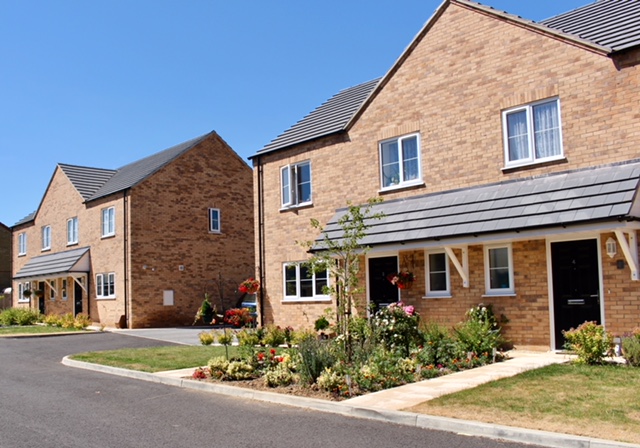
Rural Housing Week: A real opportunity, if we make it one
Rural Housing Week is a moment to reflect on the value of affordable homes in our villages and smaller communities. It is also a moment to look ahead. This year, that future might just have shifted.
The Government has announced a ten-year, £39 billion Social and Affordable Homes Programme. The scale is ambitious: around 300,000 new homes, with at least 60 percent for social rent. Encouragingly, the prospectus recognises that rural housing costs more to deliver and allows for more flexible funding to address that. That alone is progress.
There is also a £5.5 million support fund to help councils prepare stronger bids, rebuild in-house teams and develop the skills to deliver. After years of underinvestment in rural capacity, this is a welcome step.
So far, so promising. But we also need to ask some careful questions.
Although rural areas are explicitly included in the programme, a high proportion of the more immediate £38 million announced to support people at risk of homelessness has been allocated to Greater London. There is little indication yet of how rural communities will benefit. It is easy to imagine that, without specific rural-proofing, this opportunity could pass by our villages and smaller settlements altogether.
This is not a question of whether rural places experience homelessness. They do. But in rural areas, it is often hidden. It may look like families in overcrowded homes, people sofa-surfing, or older residents unable to find somewhere smaller to stay near family. It rarely fits the stereotype of someone sleeping rough. And that means rural housing need risks being overlooked when investment is decided.
One of the most effective tools we have to respond to rural housing need is the rural exception site. These small, locally-led developments provide affordable homes in perpetuity, built on land not otherwise designated for housing, and reserved for people with a connection to the community. They help keep families together, support local services, and ensure older residents can downsize without leaving their village. They are well-suited to rural areas and can unlock housing options where no others exist.
Yet despite their success, rural exception sites remain underused. Nationally, only a small number of authorities have delivered homes through this route in recent years. In Cambridgeshire, we know the need exists. We also know that when parish councils, housing associations and local planning authorities work together, exception sites can and do happen.
This is why Cambridgeshire ACRE is calling for the new funding programme to actively support the development of rural exception sites. The flexibility to address higher costs is helpful, but the ambition needs to be matched with delivery mechanisms that reflect rural reality.
We urge local authorities and housing providers to bring forward rural proposals. Where needed, we can help. Our work supporting parish councils, delivering housing needs surveys and facilitating community engagement makes us well-placed to help schemes get off the ground.
This is not just about bricks and mortar. It is about giving people the chance to stay rooted in the places they know and love. When that happens, communities are stronger, services more sustainable and local economies more resilient.
The Government’s new investment signals intent. Rural Housing Week gives us a platform. What happens next depends on how we respond.
We believe this can be a turning point. But only if rural places are not simply included in the national programme, but truly prioritised.
Let’s make sure they are.

