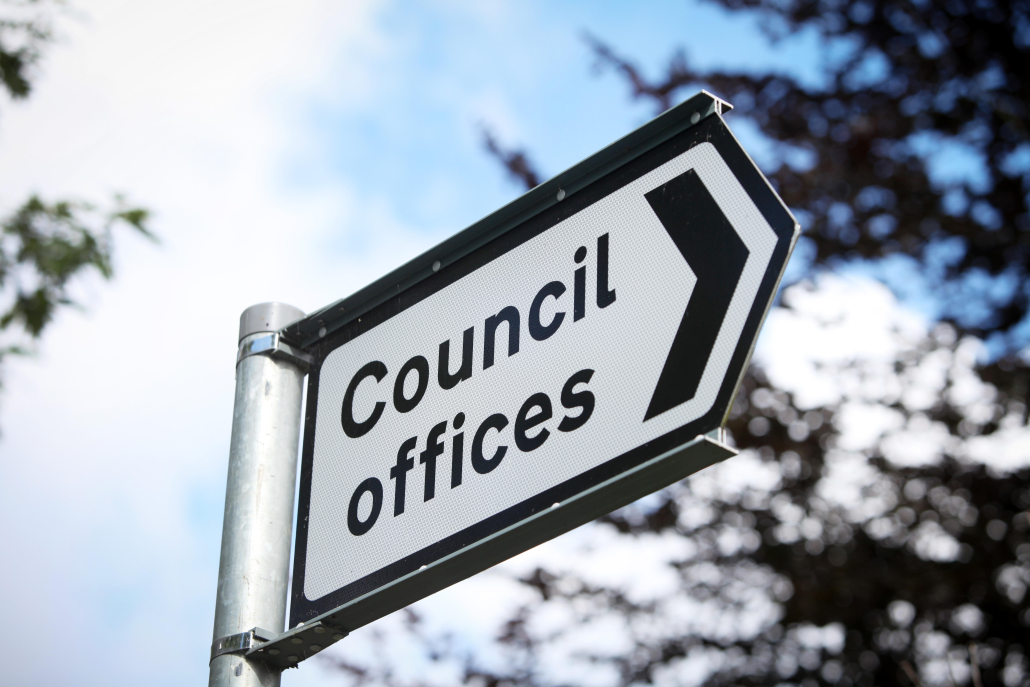
Cambridgeshire at a crossroads: national proposals signal major local change
National government is making fundamental changes to the way local government is structured. All district and county councils in England will be abolished and replaced with the new unitary councils. This will significantly change the way that local services are delivered.
Whilst none of the detail is yet known, it is likely that some our existing local authorities will be merged with others to make a larger unitary authority that delivers both district and county services. These new unitary authorities will cover a larger geographical area and a larger population; have less councillors covering bigger areas and will deliver services that are less localised.
Local authorities in Cambridgeshire have received a formal invitation to submit Local Government Reorganisation proposals. The invitation confirm that they need to submit interim proposals back to government on or before 21 March 2025 and full proposals by 28 November 2025.
Local implications for Cambridgeshire
For Cambridgeshire, with the county currently operating a two-tier system, local government reorganisation offers a chance to streamline decision-making and enhance strategic leadership. However, local authorities, parish councils and voluntary & community sector organisations must be alert to several key issues:
- Engaging actively in the consultation process: With proposals currently under discussion, now is the time for local leaders to share their experiences and innovative ideas. Open dialogue will help shape a model that meets Cambridgeshire’s unique needs and safeguards the interests of both urban and rural communities.
- Inclusive community engagement: We must ensure that rural communities and smaller parish councils continue to have a say in policy development and service delivery. Local infrastructure organisations, like Cambridgeshire ACRE, will be crucial in bridging gaps between statutory partners and grassroots voices.
- Transitional funding challenges: As local authorities across the county prepare their proposals, there is growing concern in the voluntary and community sector that without additional funding, the reorganisation may strain existing resources. Ensuring smooth transition means securing financial support for additional staff capacity and community liaison roles to help navigate the unplanned costs associated with boundary realignment and service reorganisation. Local authorities must invest in long-term capacity building for local infrastructure organisations in order to maintain the quality of community services during and after the transition.
- Local autonomy and economic growth: Cambridgeshire’s diverse communities have long benefited from a model that recognises both urban innovation and rural resilience. Local authorities are urged to insist on statutory measures that prevent a “single funder” scenario and instead promote a partnership model that fosters community-led initiatives, drives local economic growth, and builds community resilience.
As we move towards a new era of local governance, Cambridgeshire’s collective strength and community spirit must remain at the forefront of every decision. Cambridgeshire ACRE will continue to monitor developments closely, providing updates and support to ensure that the evolving structure delivers better value for money, enhances community services and drives sustainable local growth.
The full government Devolution White Paper is available to read online and you may also find these frequently asked questions about devolution and Local Government Reorganisation on the Local Government Association’s website useful.

