“You’ll never believe what I just found…!”
In this blog, our Senior Community Development Officer, Rachael Brown, reflects on the types of litter she sees most often and looks at the impact that litter has on our environment, the economy and our health.
From plastic bottles to fast-food wrappers, litter is a problem. This blog explores the most commonly littered items, shares insights from our litter-picking groups, and discusses ways we can all help to reduce the problem, including some very innovative approaches!
The most commonly littered items nationwide are cigarette butts, confectionary wrappers, drink bottles, fast food containers and alcohol bottles/cans. But a litter picking group in Essex recently surpassed this by finding a sofa and two armchairs on a beach—no easy feat without vehicle access!
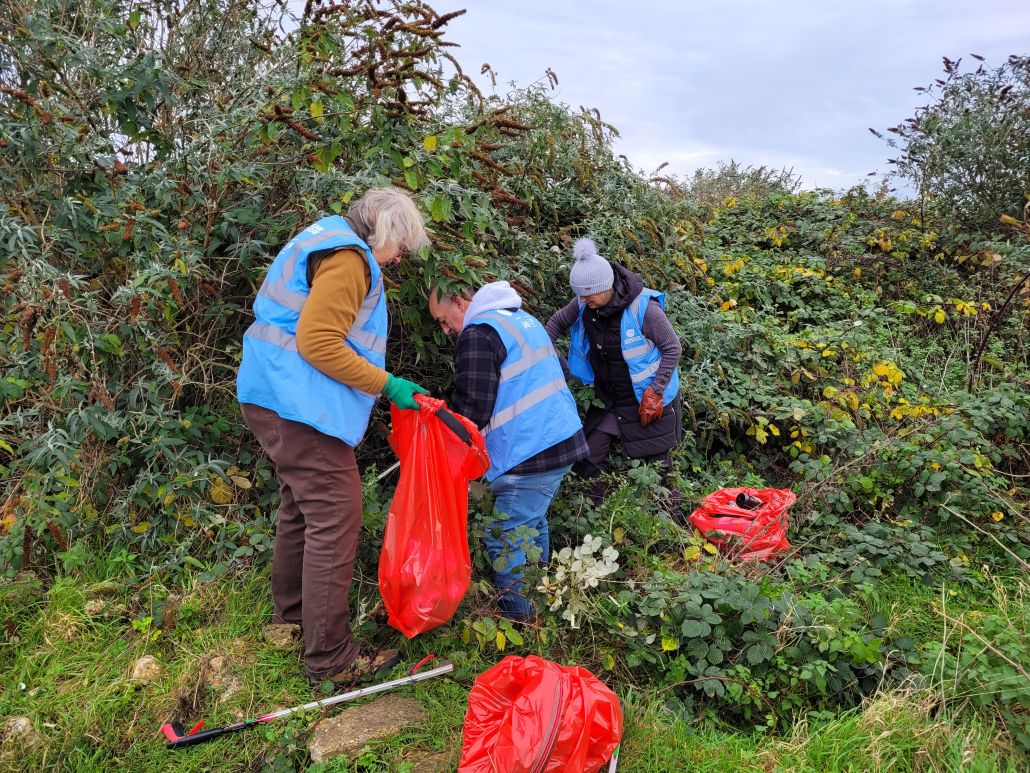
Since 2017, Cambridgeshire ACRE’s RiverCare groups in Ramsey and March have been collecting litter. Here’s some insight into what they’ve found over the years:
- Most common finds: beer cans and mini vodka bottles.
- Most annoying: cigarette butts and lottery tickets (so tedious!)
- Most disgusting: used dog poo bags left in bushes and, oddly, tights.
- Favourite find: a tiny “Beaker” (from the Muppets) Lego figure. Although this is not such an unusual find it would seem: in 1997 a cargo ship sank off the Cornish coast, carrying a shipping container full of Lego which has been washing up on Cornish beaches ever since!
- Strangest items: a car wash brush, a 30-year-old crisp packet, a cat collar (minus cat of course) and a mystery “bedroom toy” (let’s just say, only one volunteer admitted to knowing what it was…)
In 2024, RiverCare & BeachCare groups in the East of England collected an impressive 11,313 cans, 7,641 plastic bottles and 3,579 bags of litter!
The impact of all this litter
Plastics can take hundreds of years to break down, releasing harmful chemicals into the environment. Cigarette butts, which contain plastic in the filters and toxic chemicals from tobacco are a particularly harmful form of litter. Rubbish often ends up in rivers and oceans, where it can entangle animals or be mistaken for food. Microplastics are even showing up in water and the food chain, which can affect both wildlife and people who eat contaminated seafood.
Littering carries significant economic consequences. Public money is spent cleaning up litter from public spaces, taking funds away from other important services.
It also poses direct public health risks. Discarded items, such as broken glass, metal cans, or sharp plastic debris, can cause injury to pedestrians, children and pets. Additionally, litter provides breeding grounds for pests like rats, and other vermin, which can spread diseases.
What can be done?
A significant amount of litter is avoidable, and the responsibility falls on individuals, communities and governments to address it.
- Education: According to Clean Up Britain 48% of people admit to littering. By teaching people, especially young ones, about the harmful impacts of littering on wildlife and the planet, we can inspire more responsible behaviour. Schools, community groups and leaders can spread awareness by supporting anti-litter campaigns, such as the annual Great British Spring Clean, which encourage everyone to dispose of rubbish properly and to participate in clean-up efforts.
- Raise fines: Littering is illegal, including from vehicles, and most local councils issue fines. For example, Fenland District Council now fines £300, and South Cambridgeshire District Council charges £400. These fines help fund cleaning and environmental efforts.
- Litter picking groups: Keep Britain Tidy offers great resources including a guide to organising a community event, volunteer tips, risk assessments and equipment lists. Local councils often lend equipment, provide litter bags and collect full ones. Kit can often be borrowed from nearby litter-picking groups. Public liability insurance is recommended – Clean Up UK is a good source of information.
And finally, take a look at Bournemouth’s Disco Bin which plays some great tunes when people deposit their rubbish and the Ballot Bin, which uses a fun polling system to encourage people to bin their cigarette butt litter. Both systems are proven to reduce litter: who would have thought litter bins could be so much fun!

